


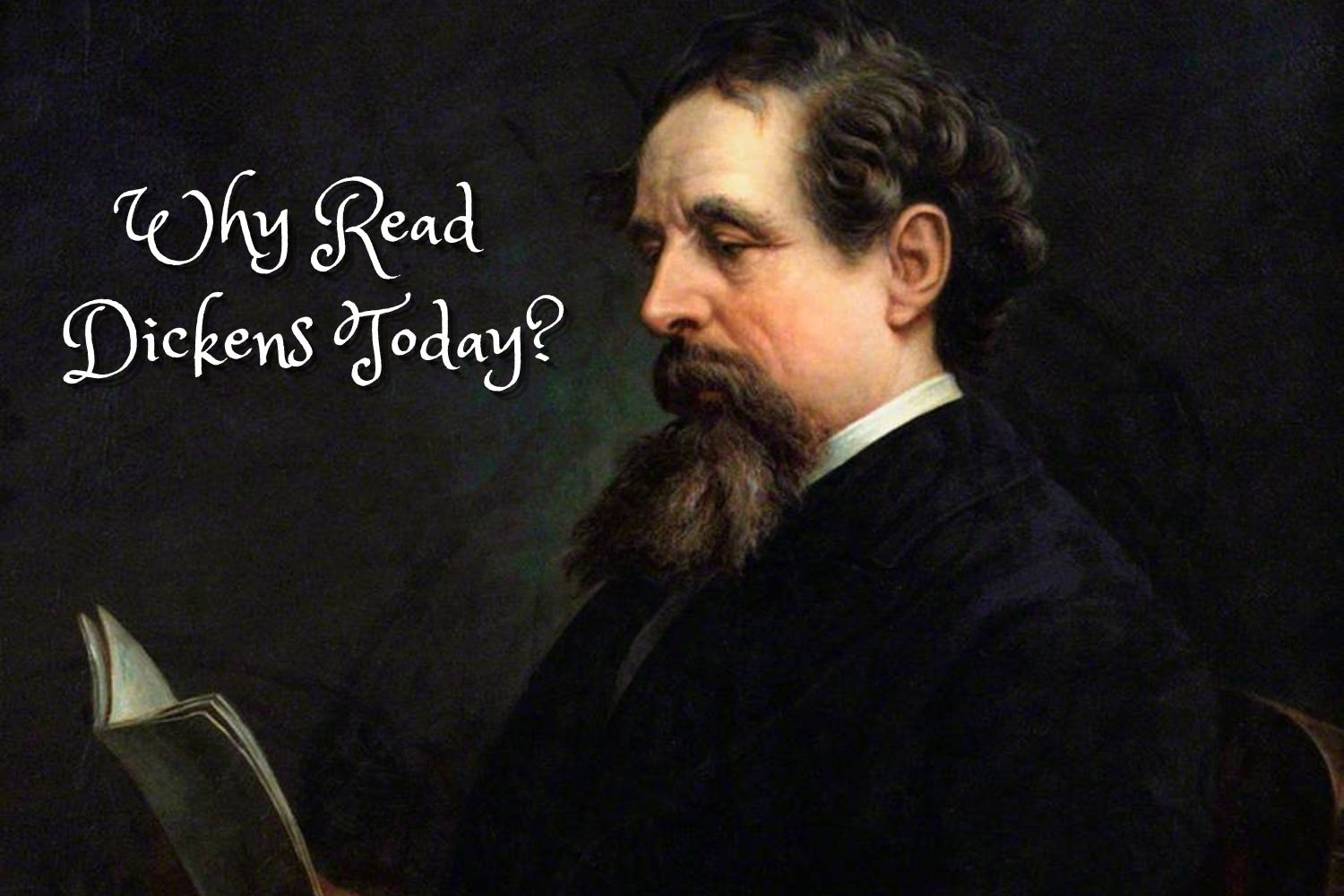
In the year 2026, it may seem as though literature written more than a century ago is simply irrelevant to our current times. When media literacy appears to be at an all time low and even college students majoring in English can’t comprehend Charles Dickens, how can the argument be made that he is still worth reading today?
We at the Dickens Project have already put this to the test during our last Dickens Day of Writing event where we asked high school students to read Bleak House and write either a creative personal narrative or an analytical essay. By immersing the students in the text through Miriam Margolyes Audible recording, providing detailed annotations, and offering mentor guidance, we found that young readers—on the contrary—can and still do resonate with Dickens’s work.
So, what is it about his work that remains relevant, timeless, and thought provoking to our modern world then? John Jordan, a research professor of literature at the University of California, Santa Cruz and the Co-Director of the Dickens Project has contemplated this very question over the years. As an avid fan and expert, here are the 5 reasons he has developed on why Dickens is still worth reading today:
1. Dickens is a great storyteller
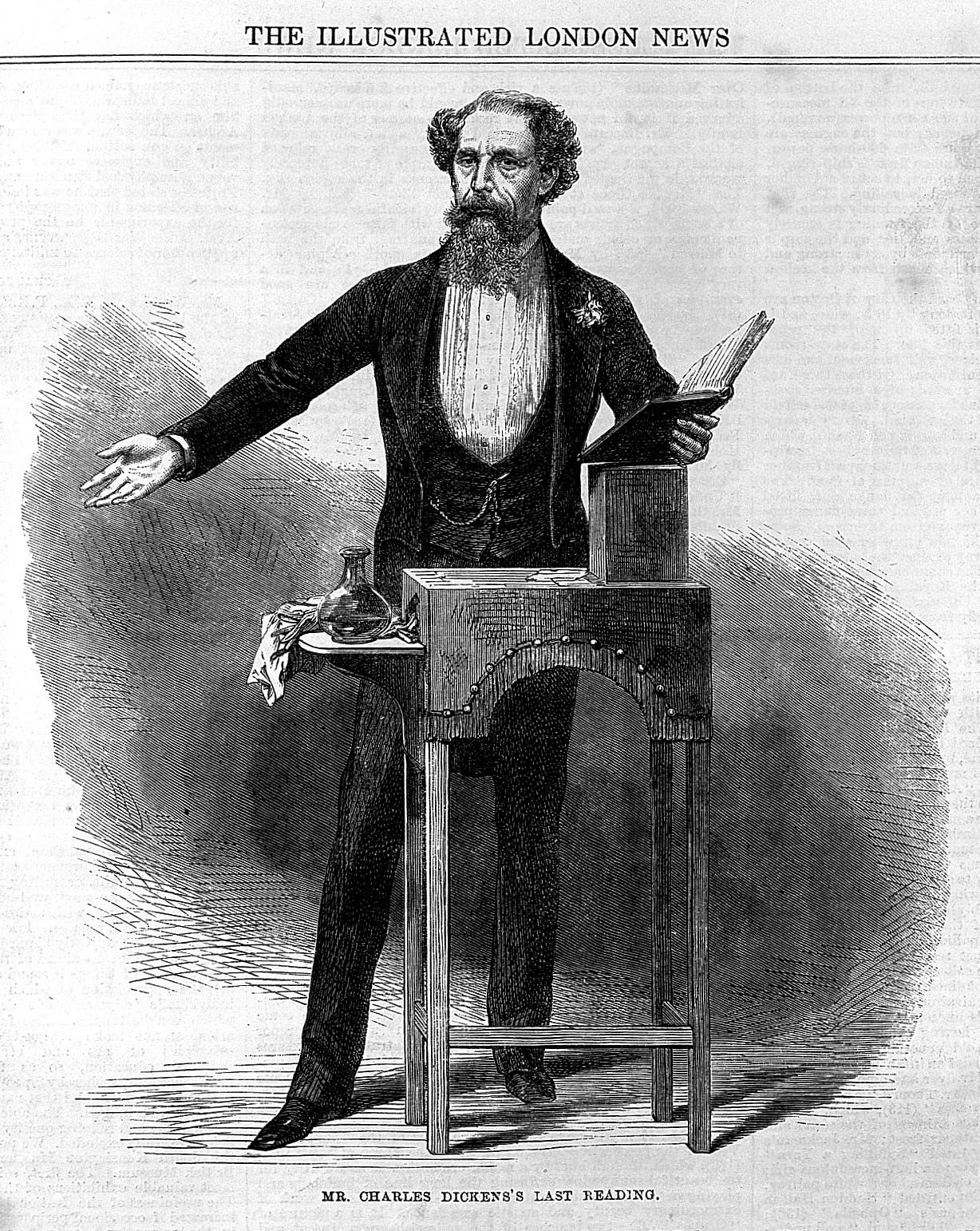
Since the years after publishing his work, his stories have remained appealing to both filmmakers and novelists alike who adapt his work (as evidenced by the upcoming BBC A Tale of Two Cities TV drama). Besides this fact, Dickens was greatly interested in the art of storytelling itself. Through his own narration as the novelist and his characters telling their own stories, he weaves them together seamlessly.
2. His characters are larger-than-life
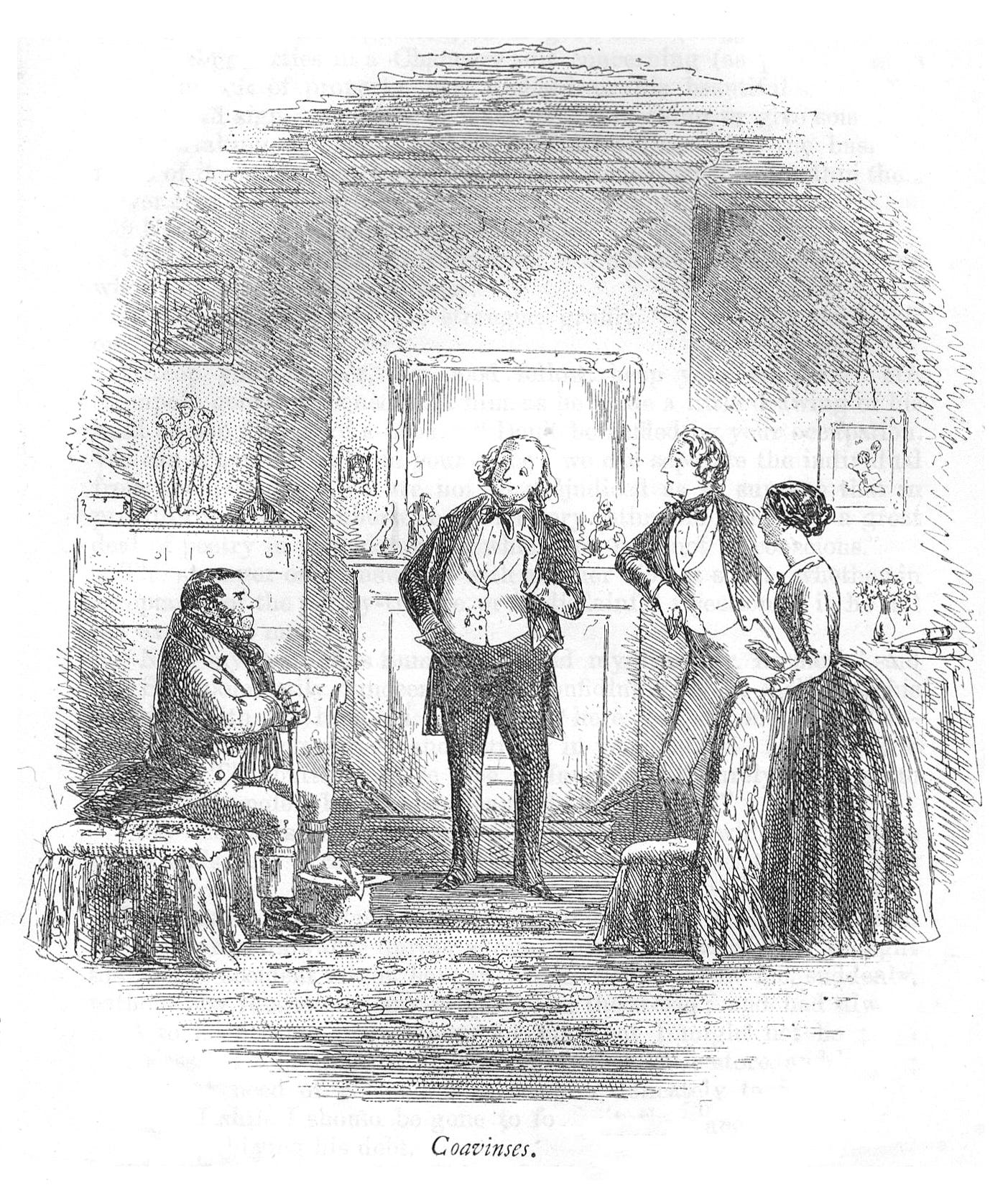
The characters populating Dickens’s novels are memorable and larger-than-life, inhabiting various roles which illustrate satirical as well as dramatic themes. Even those who have not read a single one of his novels know what it means to say that someone is being a “Scrooge”. Because of this, his work has attained a modern mythic status among readers as they continue to circulate throughout our culture.
3. Dickens is a great comic writer
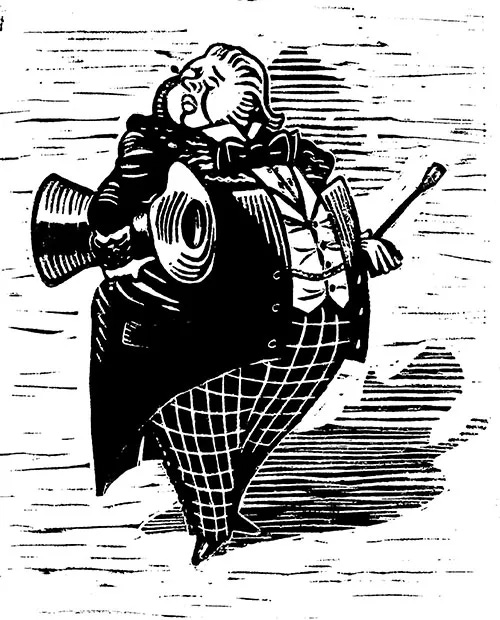
Although Dickens is quite renowned for his ability to tell dramatic tales, he also has quite the penchant for comedy. Modern readers just might miss his comedic wit underneath all of the dense, Victorian prose. One way to truly appreciate this quality of his work is to read him aloud. If you do, then you will quickly learn how his characters resemble the personalities we will inevitably encounter in our own lives.
4. He writes about issues of social justice
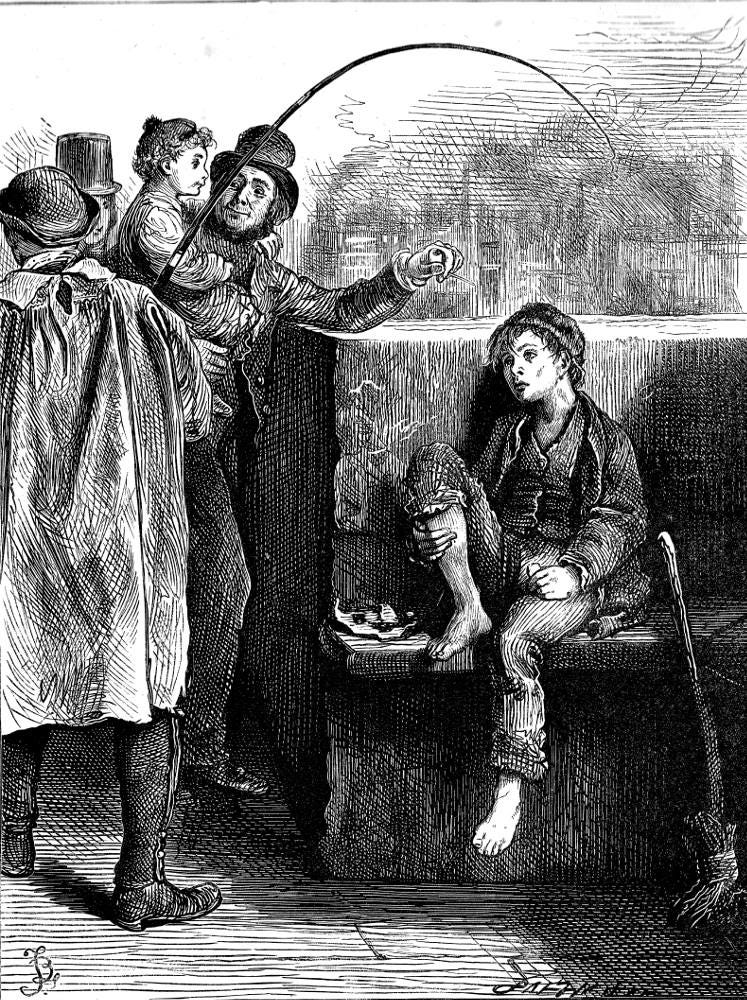
As a writer, Dickens was concerned with social issues of his time such as poverty, child abuse, class conflict, greed, materialism, and bureaucracy. In doing so, he sheds light on what was often the invisible lot of society. In his seminal work, Bleak House, he exposes the Court of Chancery through satirical means. Furthermore, many of these capitalistic social issues of the Victorian era continue to preoccupy us today.
5. His control of language is engaging
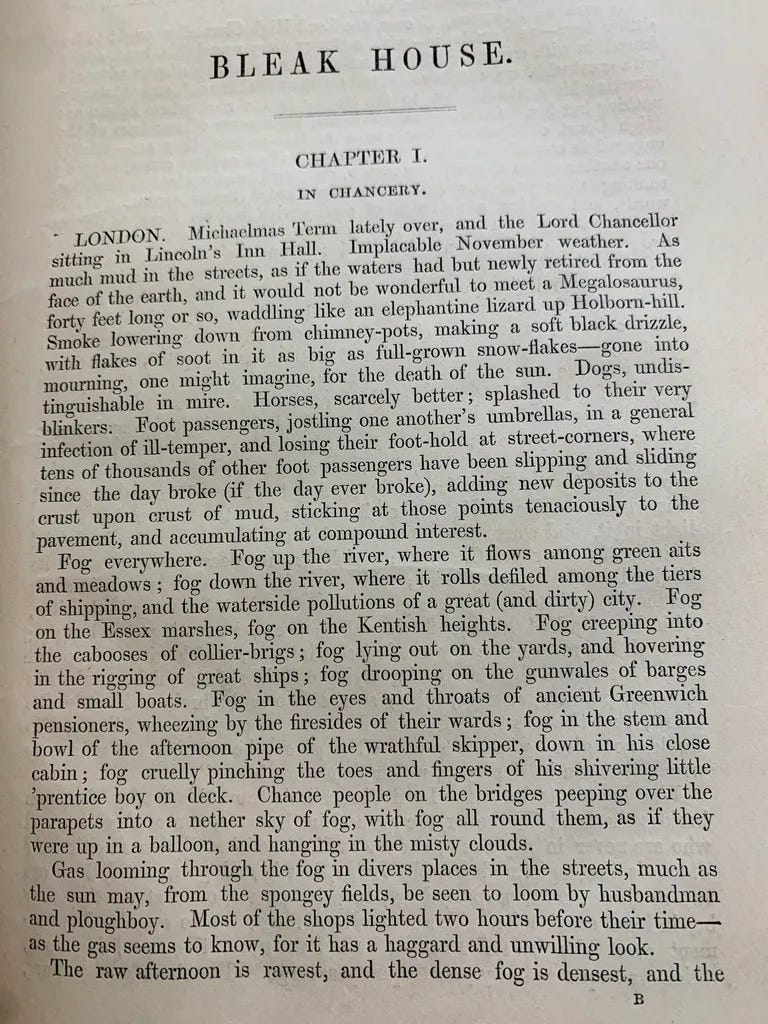
One need not look further than the opening passages of Bleak House to see Dicken’s apt command of the English language in effect. It begins with sparse sentence fragments as though giving a report, only for it to evolve into long, winding passages, transforming the Court of Chancery into a monster of fairy tale proportions with mud and fog as its poisonous assets pervading London in his celebrated novel.
Do you agree with John Jordan? Are there any others that you can come up with as to why Charles Dickens is still worth reading today? Please do share with us in the comments below!

Help us bring Victorian literature to learners of all ages!
It was the best of substacks, it was the worst of substacks.
Loved it. I’d add that Chesterton made almost this exact case defending Dickens against charges of superficiality, arguing that critics who found him shallow simply couldn’t grasp that there’s foam on top of deep water, that comedy and depth aren’t opposites.